Reflections from AIA26: A Profession in Transition
By Andres Gutierrez, Int’l Assoc. AIA, AIA Vermont President
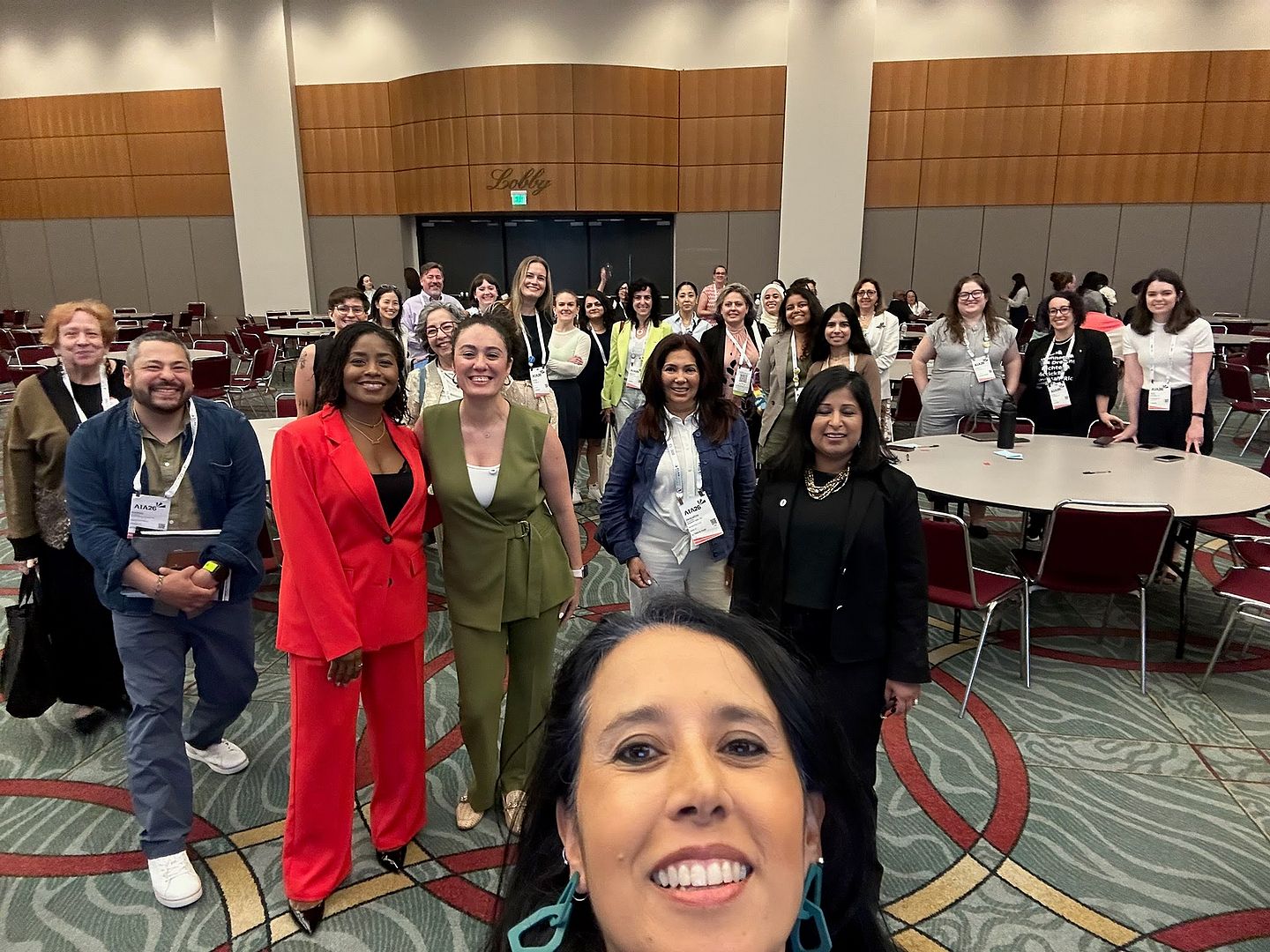
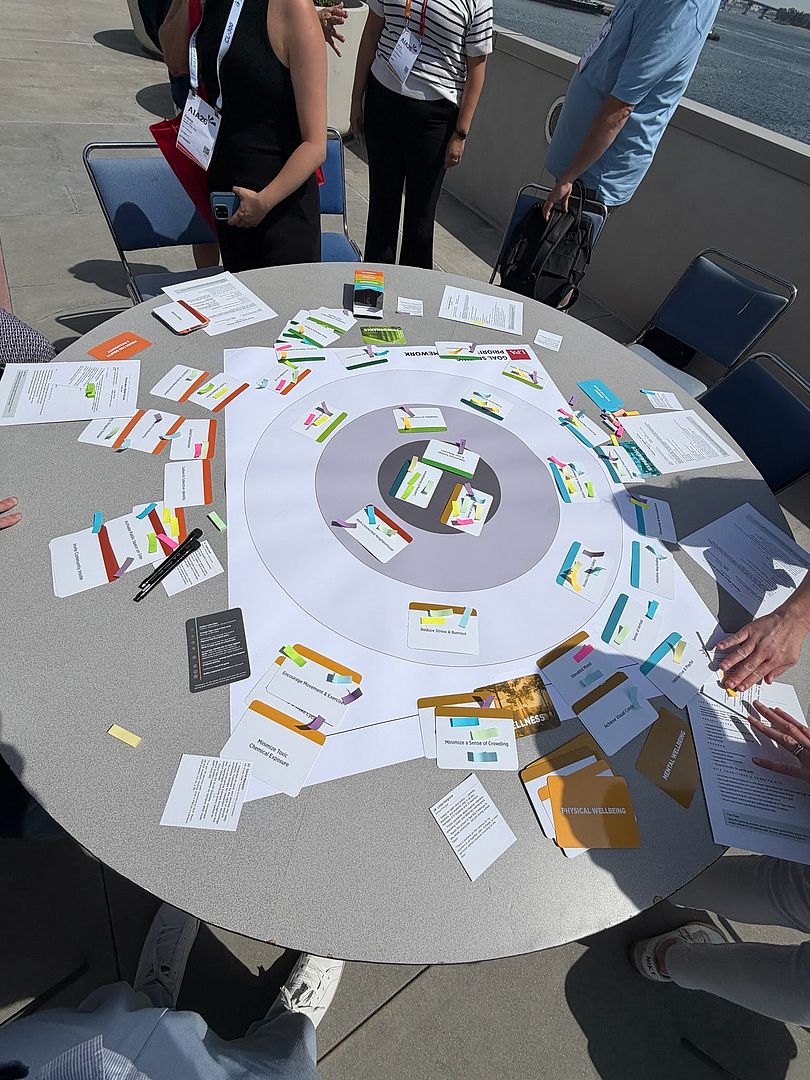
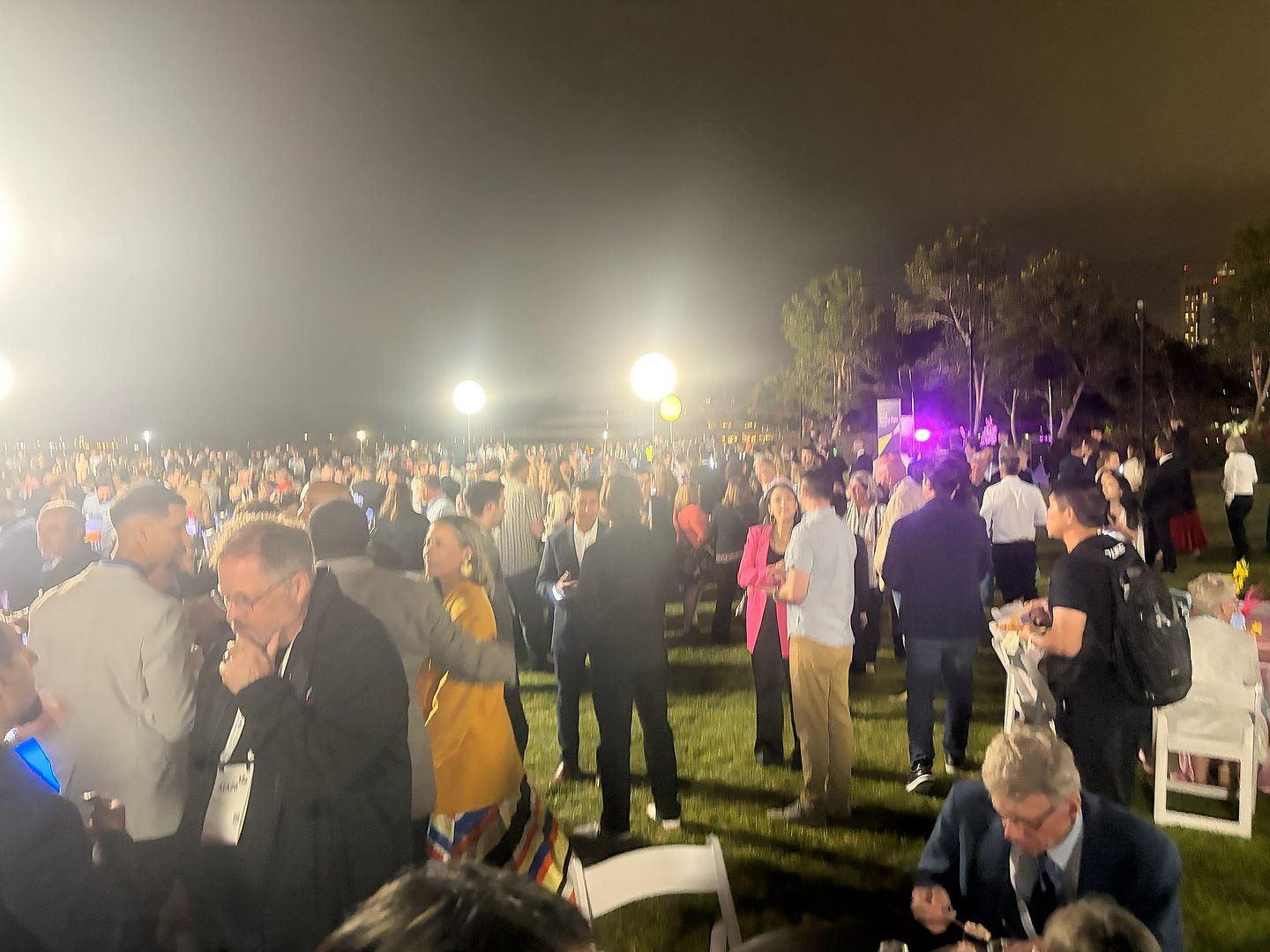
More than 5,000 architects, designers, educators, students, manufacturers, and chapter leaders converged on San Diego June 10–13 for the AIA Conference on Architecture & Design 2026. Between nearly 350 CE sessions and keynotes from Padma Lakshmi, Charlene Li, and Sameh Wahba, the conference offered a clear snapshot of a profession adapting to rapid change while still confronting long-standing questions of housing, climate, equity, and technology.
A profession redefining its own boundaries
One recurring theme set the tone for everything else: architecture is stretching past design and documentation into advocacy, community engagement, communication, and leadership. Increasingly, our job includes helping clients understand the broader consequences of design decisions: architecture came through less as a professional service and more as a civic responsibility. Nowhere was that civic dimension clearer than in San Diego itself, where sessions on the San Diego–Tijuana border showed how communities can be divided politically yet remain connected environmentally, culturally, and economically. The lesson was the same one running through the rest of the conference: design with communities, not for them, and lean on the organizations already embedded in the places being served.
Translating big ideas into practice
That instinct, grounding big ideas in local, lived reality, carried straight into the conference's housing and climate conversations. Housing sessions covered affordability, displacement, adaptive reuse, transit-oriented development, and community ownership models, with a shared message: housing can't be separated from transportation, public space, health, and access to opportunity. Climate conversations followed a similar shift, from broad commitments toward measurable decisions on carbon, resilience, energy, and materials. Translation was the word for AI, too. Discussions moved past image generation toward meeting summaries, code research, proposals, knowledge management, construction administration, and early design exploration, with a consistent line: these tools should strengthen professional judgment, not substitute for it, which means clear policies, confidentiality protections, staff training, and careful review. In each case, the job ahead is the same: turning big goals into strategies clients and communities can actually act on.
The people behind the practice, and what it means for AIA Vermont
Underneath all of this are the firms and people doing the work. Small firms are navigating growing complexity: staffing pressures, succession planning, and the challenge of investing in innovation while still delivering projects. Emerging professionals, meanwhile, are asking for clearer career paths, real mentorship, and a voice in decision-making. That all lands close to home for us. Our community is small enough to stay close, yet diverse enough to bring many perspectives together, a real opportunity to share knowledge, support emerging professionals, and test new approaches responsibly.
The biggest takeaway from AIA26 wasn't a technology or a product. It was the need for architects to stay curious, adaptable, and engaged. The profession is changing, but the core responsibility hasn't: apply design judgment in service of people, place, and the public good.